Man with van in Lambeth

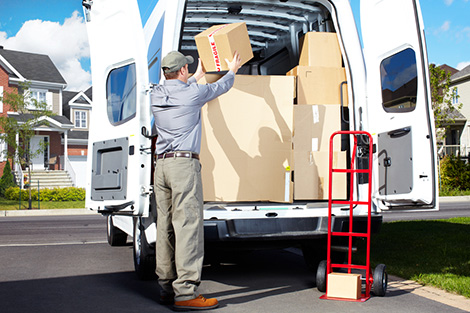
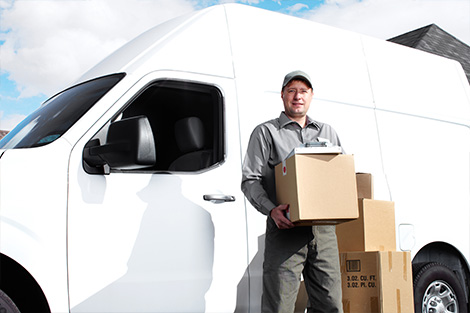
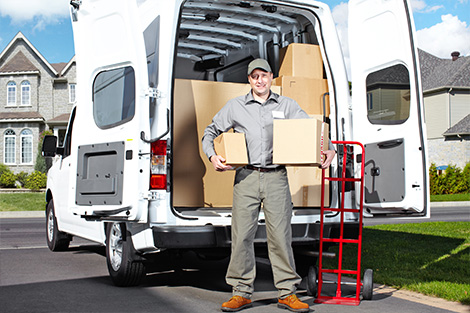
Our man with van in Lambeth service is set up for practical moving help when you need items collected, transported or delivered with care. We handle everyday removals, furniture transport and mixed loads for homes and businesses, keeping the focus on safe loading, sensible planning and tidy drop-off. If you need a straightforward vehicle-and-driver solution rather than a full removal crew, this service gives you a simple way to move the essentials without unnecessary complexity.
We work across local addresses and use the right approach for the job in hand, whether that means shifting a few bulky pieces, moving a room’s contents or handling a small office relocation. For customers who want to compare options first, the pricing and quotes page is a useful place to review the factors that shape a written quotation. You can also use the plain-text invitation in this page to request a quotation when you are ready.
Typical jobs can include furniture moves, appliance transport, small home removals and short-notice item collection. We also support careful handling of awkward or heavy items where access, stairs or parking need a little more thought. The aim is to match the vehicle, loading method and time needed to the actual task, so the move is efficient without cutting corners on protection or communication.
Home moving help for smaller loads
Not every move needs a large lorry or a big crew. A man and van approach is often well suited to part-load removals, student moves, flat moves and single-room contents, especially when you want one direct journey and minimal disruption. The service can suit customers who have already packed the main items and simply need dependable transport for furniture, boxes and personal belongings from one address to another.
When planning this kind of move, it helps to think about what must go in the vehicle, what can be dismantled and which items need extra care. Our process is based on practical loading rather than guesswork, so the order of items matters. A heavier sofa, wardrobe or chest of drawers may go in first, with lighter boxes and soft goods secured around them. This helps reduce movement in transit and keeps delivery organised at the other end.
For larger domestic removals, the home moves page covers the broader moving support available for household relocations, while the house removalists page is helpful if you want to understand a fuller removals-style service. If you are unsure which option fits your load, think in terms of volume, access and the number of stops rather than trying to force the job into a fixed category.
Furniture and bulky item transport

Furniture transport is one of the main uses for a van-based moving service. Sofas, tables, wardrobes, beds and shelving can often be moved more efficiently when they are handled as a focused transport job rather than as part of a larger household removal. We aim to protect the surfaces that matter and to load pieces in an order that suits the shape and weight of each item, especially where a move involves tight hallways or narrow staircases.
Some items need a little preparation before they travel. Detaching legs, securing loose doors and draining or unplugging appliances where appropriate can save time and reduce strain during lifting. If a piece needs to be wrapped or blanketed, that should be considered before the vehicle arrives. This is also where useful communication matters: a clear description of the items, access points and any awkward dimensions helps the move run smoothly from the outset.
The furniture pick-up page is relevant when a single item or a few pieces need collecting, while the moving truck page outlines a different style of vehicle choice for larger loads. Good planning is often less about size alone and more about the shape of the item, the route out of the property and the space available at delivery.
Office moves and business deliveries
We also support business customers who need a compact relocation solution for desks, chairs, files, boxed stock or equipment. A man with van arrangement can work well for smaller office moves, branch transfers and planned deliveries where the load is measured, the route is known and the move must be completed with care for ongoing operations. This is a practical choice for businesses that want to move efficiently without arranging a larger-scale relocation service for a modest volume of items.
Commercial work often benefits from clear labels and a simple sequence for loading and unloading. If office furniture is being moved, it may be helpful to group similar items together so that desks, storage units and boxed materials can be unloaded in a sensible order. This keeps the process organised and makes it easier to place items in the correct room or bay when the vehicle reaches its destination.
If you are comparing related services, the commercial moves page gives a broader view of business relocation support, while the office relocation services page is useful for a more structured office move. For extra preparation help, the packing and unpacking services page explains the sort of assistance that can be arranged alongside transport.
Loading, access and safe handling

Access is often the part that determines how straightforward a move will feel. Stairs, narrow entrances, shared corridors, parking restrictions and long carrying distances can all affect the time needed and the type of handling required. A good man and van service is not just about having a vehicle available; it is about making sensible choices before lifting begins, so items are moved in a way that suits the property and the load.
To keep the move efficient, it is usually helpful to have items ready at the point of collection, with clear routes through the property and any fragile pieces separated from heavier goods. If something is particularly awkward, it may need extra manpower, a different loading sequence or a revised estimate of the time involved. A quotation is usually more reliable when the load details are accurate, because it gives room to factor in access, distance and handling.
Two simple preparation points help most jobs:
- group items by room or destination
- make sure the largest pieces can be measured or described clearly
Appliance removal and delivery support
Large domestic appliances can be awkward to move because they are heavy, rigid and often difficult to grip safely. Washing machines, fridge-freezers, cookers and similar items may need special attention to protect floors, walls and the appliance itself. A van-based moving service can be a sensible choice when you already know the item is disconnected and ready to move, but still need a careful transport solution rather than casual lifting.
Some appliance jobs are one-off collections, while others are part of a house move or a furniture clearance. The important point is to match the handling to the item. It may be necessary to plan for weight distribution in the vehicle, to secure doors or moving parts and to keep the route from property to van as clear as possible. Where the item is especially large, the access route matters just as much as the vehicle space.
For related support, see the fridge and appliance removal page, which is relevant to heavier white goods, and the man and van page for a broader overview of the general service type. Use the service that matches the item rather than the other way round.
Household clearances and disposal options

Some customers need a van service for items that are being removed rather than relocated. That may include a single redundant piece of furniture, old household contents or a small group of items that are no longer required. In those cases, the practical question is not only transport but also where the items are going and how they should be separated. A clear description of the load helps identify whether the work is a move, a pick-up or a disposal-related job.
Different items require different handling, especially when a job includes mixed furniture and waste. Soft furnishings, appliances and general household objects should not all be treated as if they were the same thing. If disposal is part of the task, the load may need to be separated before collection, and the customer may need to decide what is staying, what is travelling and what is being removed from use entirely. This keeps the job efficient and helps avoid confusion at the property.
Waste-related items and responsible sorting
For some customers, a move or clearance involves items that are no longer suitable for everyday use and need to be dealt with separately. The key point is to distinguish transportable goods from materials that require special handling. Mattresses, sofas and some broken household items can take more planning than ordinary boxes, because they are bulky, difficult to stack and not always suitable for the same treatment as reusable furniture.
If the load includes mixed items, sorting before collection makes the day much easier. It also helps to avoid sending out a vehicle that is too small for the bulky part of the load or too large for a simple collection. When the work is clearly described, the service can be shaped around what is actually needed, whether that is a straightforward van move or a collection that includes items for disposal. Practical sorting often saves time later.
Useful related pages include mattress and sofa disposal for bulky upholstered items, hazardous waste disposal where stricter handling is required, and recycling and sustainability for broader information about material treatment. These pages are there to help you choose the right route for the job.
How quotations are usually shaped

Quotation details for a man with van service are usually based on the practical facts of the job rather than on a fixed one-size-fits-all menu. Load size, item type, access, distance, parking and the amount of assistance needed can all affect the overall scope. A simple single-item collection is different from a multi-room move or a business delivery run, even if the journey distance is similar.
When you request a quotation, it helps to give a plain description of the items, the collection point and the delivery address, plus any factors that might slow loading or unloading. That includes stairs, long walks from the vehicle, awkward dimensions and anything that needs dismantling or wrapping. If you are still comparing options, the book online page is another useful destination for turning a decision into an enquiry once you know what you need.
Ask for a quotation when you have the essentials ready. A clear outline of the load gives a more useful estimate than a vague request, and it also makes it easier to match the right vehicle and timing to the work.
About Lambeth
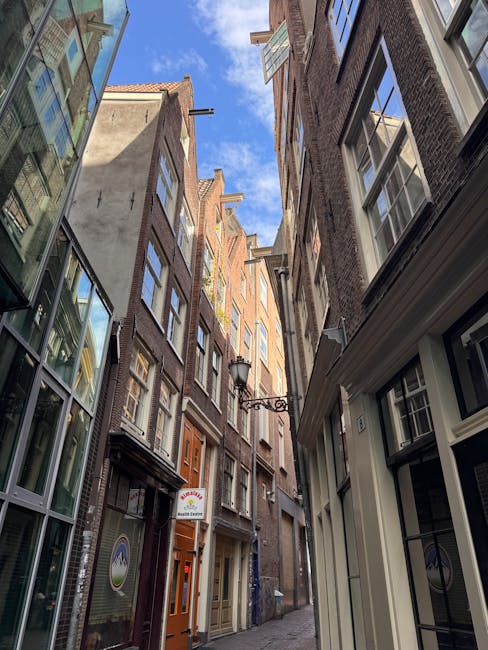
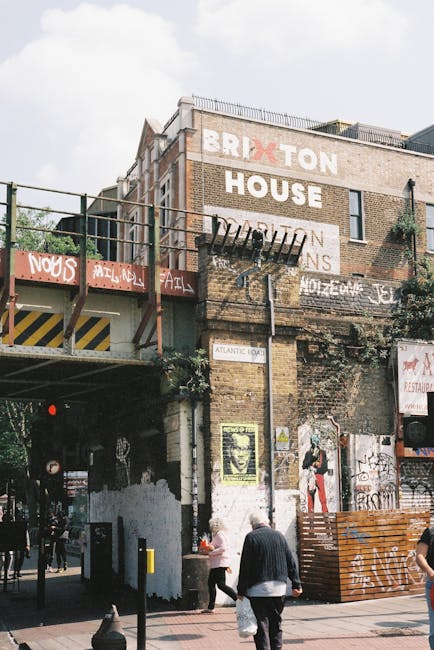
Lambeth is a borough of south London that stretches from the river Thames to the open spaces and residential streets of the inner south. Its name is closely associated with the riverside district of Lambeth itself, but the wider borough also includes areas such as Brixton, Clapham, Streatham, Vauxhall, Kennington, Herne Hill and Norwood. The borough’s position opposite central London has long made it part of the capital’s political, cultural and transport life, with bridges, rail lines and major roads linking it to neighbouring parts of the city. The river frontage is one of the area’s defining features, and the Thames Path gives walkers clear views across to Westminster and the South Bank. Lambeth Palace, the London home of the Archbishop of Canterbury, stands as a prominent historic landmark on the north bank, while the area around the palace and river contains a mixture of older streets, civic buildings and newer development. Inland, the borough is known for varied town centres, terraces, council estates, markets and parks, which together reflect layers of growth from the eighteenth and nineteenth centuries through to modern redevelopment. Brockwell Park, with its landscaped spaces and views over the city, is one of the best-known green spaces, while Brockwell Lido and the market culture of Brixton add to the borough’s public character. The result is a place with strong local identity, where residential neighbourhoods, transport corridors and cultural venues sit close together in a dense urban pattern.
Support for different kinds of local move
Not every customer needs the same level of moving support, so the service can be adjusted to suit a compact domestic job, a one-off delivery or a small business relocation. The useful question is often whether the task is mainly transport, mainly loading or a balanced mix of both. Once that is clear, the work can be matched to the load without overcomplicating the job. That is especially useful when there are several items going to different places, or when one stop includes a ground-floor handover and another involves more demanding access.
We can help with items that are ready to travel, items that need careful movement between rooms and items that should be kept separate because they are fragile or bulky. The strength of a van-based service is flexibility, but that flexibility works best when the job is described in straightforward terms. If the move involves a long corridor, shared entrance, restricted parking or a load that must be kept upright, those details should be factored in early rather than treated as an afterthought. The about us page gives a broader company overview, while the contact us page is the natural place for a direct enquiry once you are ready to discuss the move.
When you are planning the job, focus on the practical outcome: a safe pickup, sensible loading and a delivery that matches the items you want moved. If you already know what needs collecting, a clear request will help the quotation process move quickly. Please request a quotation when you are ready.